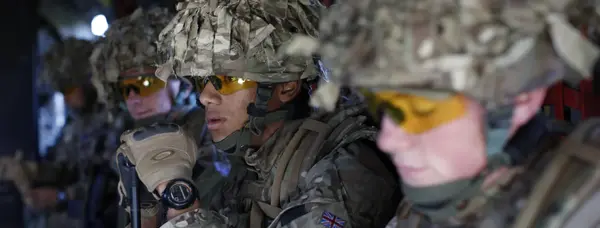
Hi, I am in basic training at Harrogate and would like to ask how to progress from groundcrew to pilot, it is my goal
I am joining the army air corps anyway and am going to middle wallop in august time as groundcrew so I am just wondering how you got to pilot from whatever you started off as
- 1 replies
- 139 views
- Author: Anonymous
- Category: Career development, Career progression
- Date asked:
- Last update:
-
Anonymous
Hi there,
Thank you so much for getting in touch and sorry about the delay in getting back to you with an answer.
To be considered as an an NCO pilot the minimum you require is to be a LCpl with recommendation for Cpl on your SJAR (yearly report) and to have passed the Army Pilots' Course selection process. On average this takes 3-4 years following successful completion of Phase 2 training.
The Pilots' course selection consists of three phases:
Phase 1 is Aptitude Testing, held at RAF Cranwell. This consists of 6-7hrs of computed based work to test your ability to multi-task and problem solve. There is an element of mental maths to this so I'd advise you practice your speed, distance, time maths beforehand.
Phase 2 is the Aircrew Medical held at RAF Cranwell. This is a more in depth medical than your Army selection one with an emphasis on measuring your limbs etc to ensure you will fit in the cockpit.
Phase 3 is Flying Grading held at Middle Wallop. This is usually 4-5 weeks of learning to fly on a small fixed wing aircraft. You will be taught the basics and assessed on your ability to learn in a fairly short space of time.
Officer pilots also need to pass the selection process and the Regimental Selection Board at RMAS Sandhurst. This is usually held near the end of their second term.
I hope that helps a little. Please let me know if you have any other questions. Once you get through Phase 2 training you will be able to register your interest in the Pilots' course with your chain of command and, in due course, start the application process.
Best of luck with your training and hopefully see you at Middle Wallop before too long!
Maddie
Have a question of your own?
How often do you see your friends and family from home?
Work life with us, Work life balance- 12 replies
- 50916 views
I like the idea of being in the Army but I don't want to kill people, is there a job where this is possible?
General- 7 replies
- 28030 views
What do deployments abroad include? Like what happens and whats the day to day life of soldiers like on deployment?
Role, Role description- 4 replies
- 6086 views