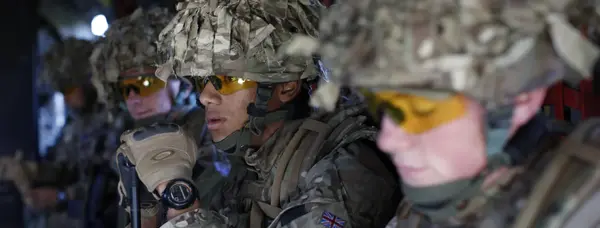
Currently going through RAF phase two training. Is there a way to transfer straight into army basic?
Curtis H. asked a question to Shaun M.
- 1 replies
- 9 views
- Author: Curtis H.
- Category: Eligibility advice, Eligibility
- Date asked:
- Last update:
-
SMShaun M. Team Leader (Cpl)
Hi Curtis,
Transferring from the Royal Air Force (RAF) to the British Army while currently undergoing RAF Phase two training is difficult but can be possible but involves a specific process and approval from both services.
The first step is to inform your chain of command in the RAF of your intention to transfer to the Army. They will provide guidance and support throughout the process. You will then need to formally apply for a transfer. This involves completing the necessary paperwork and stating your reasons for wanting to transfer to the Army. Your application will need to then be approved by both the RAF and the Army. This process can involve several levels of review and approval, considering factors such as your current training status, the needs of both services, and any specific requirements of the Army role you wish to transfer into. You will need to meet the entry requirements for the Army, including fitness standards, medical assessments, and any specific qualifications or training required for the role you wish to undertake in the Army. If your transfer is approved, you will then need to undergo additional training specific to the Army, even if you have completed equivalent training in the RAF. This, like you said will likely include Army (Phase 1) Basic training. The timing of the transfer will depend on the approval process and the availability of training courses in the Army. There may be a period where you need to complete your current Phase 2 training in the RAF before the transfer can take place.
Given the complexities involved, it is essential to seek detailed advice from your current RAF personnel office. They can provide specific guidance tailored to your situation and help facilitate a smooth transfer if it is deemed feasible.
Have a question of your own?
How often do you see your friends and family from home?
Work life with us, Work life balance- 12 replies
- 50916 views
I like the idea of being in the Army but I don't want to kill people, is there a job where this is possible?
General- 7 replies
- 28013 views
What do deployments abroad include? Like what happens and whats the day to day life of soldiers like on deployment?
Role, Role description- 4 replies
- 6077 views