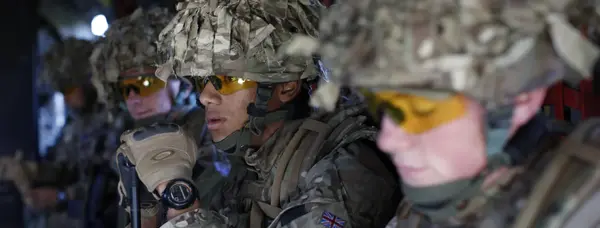
Can I get an inside of the parachute regiment please? And how to prepare physically and lastly how to tell your parents
Anonymous asked a question to Robert N.
And lastly I hope haha I'm turning 18 and I know I'll be able to have my own life choices but I've wanted to join the army since the ages of 4 or 5 roughly around 15 + years or so I'm just nervous to tell my parents, I've looked into the paras and all sorts so I do have some formal of idea. I've write up what I'm going yo say to them but I'm nervous, I've got another 2 years or so of college as a new term has started and ill be heading back in September time I'd like to ask for your advice on how to tell them. P.s I'm thinking about telling them in about 6months to a years time from now as I'm not 100% sure on my course at college or really debating wether or not to stay at college or leave for the Army, my pal is in the royal artillary, other college mates are joining or have joined the RMC, grenadier guards, and RAF ones joining the army at a reserveest not sure how he's doing tho. I'm just looking for advice tbh I am heading down to the reserve center tomorrow at 7pm woth my pal to discuss things further, I'd really like to do this job as it'd been a job in mind for 15 years or so. -Aiden esslemont
- 1 replies
- 63 views
- Author: Anonymous
- Category: Eligibility advice, Eligibility
- Date asked:
- Last update:
-
RNRobert N. Lead Recruiter Armed Forces Careers Office Sheffield
Hi Aiden, Many thanks for your question. In terms of joining the Parachute Regiment I think the first port of call for you would be to ensure you meet the entry requirements, and check through the physical fitness standards to ensure this is within reach. Here is a bit of information:
Entry requirements
Age: From 16 years & 0 months to 35 years & 6 months
Qualifications:
No formal qualifications needed
Basic physical fitness assessment:
Mid Thigh Pull 76kg
Medicine Ball Throw 3.1m
MSFT (beep test) level 11.06
Training for the role
Step 1
On passing the initial interview at an Assessment Centre, you will attend the Parachute Regiment Aptitude Course to confirm you have the right qualities and basic level of fitness to start PARA training. You will then start the 30-week PARA Combat Infantry Course at Catterick. This includes your Basic training and Infantry Initial Trade Training, plus the famous P Company training and tests. Your instructors will coach you through progressive training where you will learn essential skills such as firing weapons, survival, first aid and map reading while building stamina and fitness.
If you’re aged under 17 years and 6 months, you’ll do your Basic Training at the Army Foundation College Harrogate for 49 weeks. You’ll then go to Catterick to complete your Infantry Initial Trade Training over 14 weeks.
Step 2
You will do a three-week parachuting course and join your battalion as a fully trained soldier, wearing your Wings with pride.
Qualifications you could get after training:
Vocational driving licences.
HM Forces Serviceperson (Protective Services) Apprenticeship.
Leadership and Management qualifications to degree level.
Assessor qualifications.
Coaching and mentoring.
Adventure Training Qualifications (Canoeing, Mountain Biking, Skiing, Mountain Climbing, Summer Mountain Training).
Parachuting Level 2.
Pay & benefits
Earn £18,687 during Basic and Initial Trade training at the Infantry Training Centre. When you have completed 26 week’s service or finished Initial Trade Training – whichever comes first, your pay will rise to £23,496.
There are significant benefits including subsidised meals and low cost accommodation, as well as free medical and dental care. In addition, when deployed on exercise or on operations, normally you would not pay for either food or accommodation.
In terms of telling your parents, I think you are doing the right thing by making a note of what to say. My advice would just be to do all of your research, and be completely open and honest with them about your aspiration to join the military. If your parents have any worries that you think I might be able to assist with inform them they can make contact with the Sheffield Careers Office (contact number for the office online) and I'll be happy to discuss it with them.
Regards,
SSgt Rob Needham
Have a question of your own?
How often do you see your friends and family from home?
Work life with us, Work life balance- 12 replies
- 50951 views
I like the idea of being in the Army but I don't want to kill people, is there a job where this is possible?
General- 7 replies
- 28062 views
What do deployments abroad include? Like what happens and whats the day to day life of soldiers like on deployment?
Role, Role description- 4 replies
- 6108 views