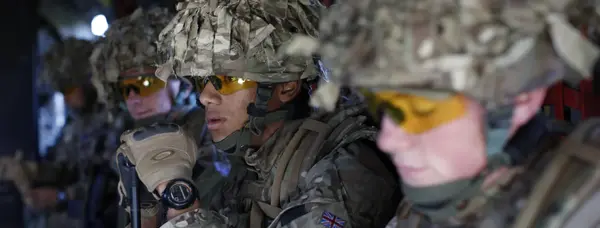
As an army combat medic, do you get involved in combat and carry a weapon?
- 4 replies
- 6922 views
- Author: Tim B.
- Category: Role, Role description
- Date asked:
- Last update:
-
TCTori C. Regimental Medical Officer
Hello,
Before you train to become a combat medical technician (CMT) you will do your phase 1 training, which is about learning to become a soldier (fieldcraft, weapon training etc..).
CMTs need to be able to look after their patients, and that means going where the soldiers go. You will be trained to use the same personal weapons as other soldiers, and yes you will also carry a weapon on exercises and operations. However the rules are slightly different, as a medic you are protected by the Geneva convention. This means that you have a protected status, but if you do engage in combat, then you loose that. So while you will go into combat, you do not take part in that combat in the sense that other soldiers do, but you will be expected to use a weapon to defend yourself or defend your patient.
I hope that answers your question! -
TBTim B. Candidate
Roughly how often would a CMT shoot and fire weapons in a real situation in the field?
-
TCTori C. Regimental Medical Officer
Every CMT has a varied career, so it would be difficult to give you an exact number. It will depend on lots of factors, which unit you get attached to and whether they deploy, if they deploy, on what operation they deploy on.
At present there are no major conflicts ongoing, and therefore it is very unlikely any CMTs are using their weapons in self defence. But it is impossible to say what environments the military will be operating in in future.
If it is something you are not comfortable with, there are lots of roles for CMTs that will mean you are very unlikely to ever need to use a weapon, it is worth discussing this with the recruiting team when you apply so that they can signpost you in the right direction. There are many members of the Army Medical Services who hope they never need to use a weapon, and a large proportion of them never have and never will. -
Anonymous
As a combat medic there will be times when you will be required to push forward and treat injured personnel in the field, this could be by directly or indirectly getting involved in a fire fight with the enemy. I hope this helps
Have a question of your own?
How often do you see your friends and family from home?
Work life with us, Work life balance- 12 replies
- 50895 views
I like the idea of being in the Army but I don't want to kill people, is there a job where this is possible?
General- 7 replies
- 27981 views
What do deployments abroad include? Like what happens and whats the day to day life of soldiers like on deployment?
Role, Role description- 4 replies
- 6058 views